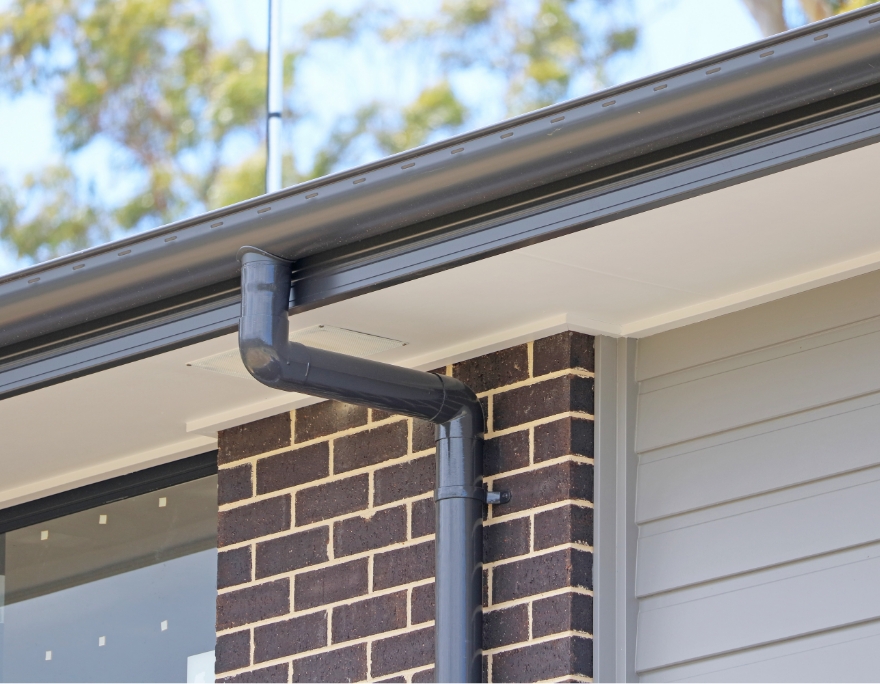
Downpipes are more than just roofing accessories–they play a big part in directing water away from your home. If your downpipe components become rusted, they may be damaged or completely stop working altogether.
These pipes move roof water from gutters and roof catchments to drains or storage tanks and include vertical and horizontal systems as per AS/NZS 3500.0
This article will highlight why downpipe repair needs to be at the top of your list and some of the measures you can take to fix them yourself.
If you can see water stains building up on the roof ceiling, you can risk damage to fascia boards and snowball internal roof leakage, which you never want! Why is replacing your downpipes a non-negotiable preventative measure?
A rusty downpipe is a road to a number of water-related problems. Rust weakens most metals over time, and this can lead to holes or complete structural failures, which you don't want.
Leaking water can infiltrate roofs, walls, and ceilings, creating a breeding ground for mould and mildew, impacting whoever lives with you. If you have respiratory conditions or allergies, replacing rusted downpipes prevents any risk of water damage.
When channelling water away from homes, the last thing you want to do is compromise the foundation of your home by leaving rust or water to pool.
Exposure to water weakens soil, causing foundation cracking, settling, uneven flooring, jammed doors and windows, or complete structural collapse. Replacing your downpipes is a small price to pay in comparison to the expense of foundation fixes.

Are you planning to sell your property? Corroded downpipes lower the value of your home, and you want the outside of your home to leave a lasting impression if you have interested buyers.
Modern downpipes come in a wide range of finishes, so you can pick an option that complements the style you're looking for. What are some creative options for COLORBOND® steel?
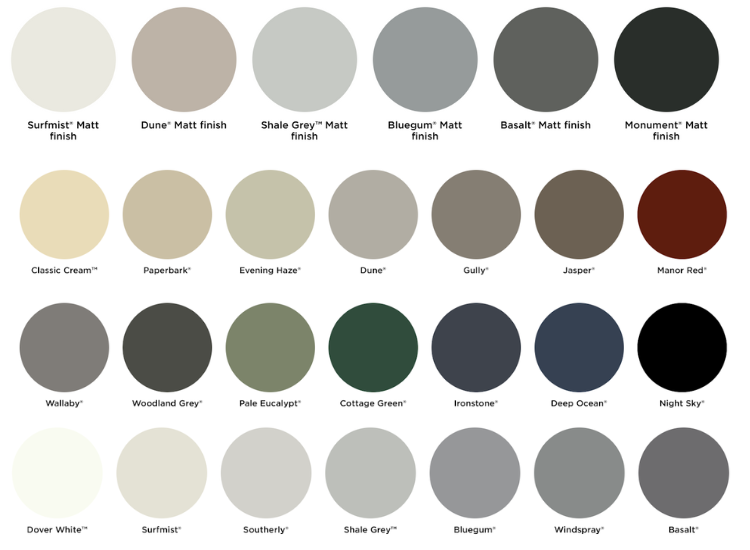
The colours shown represent actual product colours as accurately as possible. However, we recommend checking your chosen colours against an actual sample of the product before purchasing, as varying screens and devices may affect colours, tones and finishes.
You might push back repairs due to having other commitments, but downpipes have the potential to fail during rain. Emergency flooding into your garage (or indoor spaces) is not the way to spend a night with friends and family.
Replacing downpipes that are rusted quickly helps avoid last-minute repairs and the inconvenience of water damage all at once.
Has water been sitting in the gutter? Downpipes are weakened by rust, but it can also cause unwanted internal blockages. Leaves, dirt, twigs, dirt, and debris combined with rust particles can clog the system and stop water flow.
A blocked downpipe can lead to overflow, eroded landscaping, and puddles. Investing in new downpipes means rainwater is carried away from your home.
Overall, downpipe replacement means:
Remember, if your downpipes/guttering has rusted through, it cannot be repaired, only replaced.
Although downpipes are often made from durable ZINCALUME® steel or COLORBOND® steel, they may need replacing after a bad storm or simply due to how old they are. Let's take a look at some common signs you might need to book a roofing expert.
As per part 35 of the National Construction Code 2019 Amendment 1, downpipes must not serve more than 12 m of gutter length for each downpipe, be located as close as possible to valley gutters, and be selected in accordance with the appropriate eaves gutter section as shown in Tables 3.5.3.2a.
If you would like to learn more, have a read of essential tips for roof maintenance, protecting your home!
According to the Victorian Building Authority, downpipe materials are commonly metal or PVC, but what exactly is a downpipe and how do you know if it’s been installed correctly?
As per AS.NZS 3500.3 clauses 2.3.1 roof drainage system components may be made from aluminium alloys, aluminium/zinc and aluminium/zinc/magnesium alloy-coated steel, copper, copper alloys, zinc-coated steel, stainless steel, and zine if they conform with AS/NZS 2179.1.
Downpipes must have support systems that permit thermal expansion without detriment to the downpipe or accessories. As defined in AS/NZS 3500.3 clause 4.5.6 when installing a downpipe, the location of the downpipe:
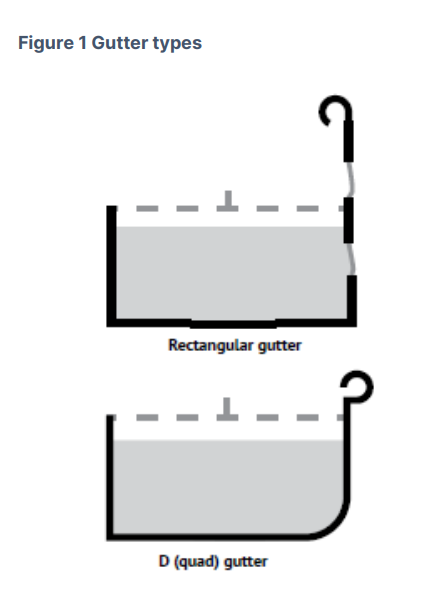
When installing a downpipe within the building, the downpipe must be tested in accordance with AS/NZS 3500.3 Section 9 and must not have combustible downpipes in the encroachment space.
Downpipes used for the collection of roof water supplying a rainwater tank that is used for drinking water must be AS/NZS 4020 compliant.
What are some things you can do to make sure your downpipes aren't damaged?
Do you need qualified roof leak detection in Melbourne? Whether you're worried about rust spots, soil erosion, water leakage, odd-looking gutter joints, or clogged gutters, Xclusive Roofing helps you with a full gutter replacement, which includes the downpipes.
From minor issues to major damage, the Xclusive Roofing team offers downpipe roofing support to Frankston, Cranbourne, Dandenong, Berwick, and Beaconsfield residents in Melbourne.
Using a professional plumber to install or repair corroded downpipes ensures they are connected correctly to all relevant components, reducing the likelihood of problems occurring in the future. We can repair your roof effectively with roof restorations, COLORBOND® steel roofing, custom made flashings, gutter replacements, box gutters, and more. Contact us today at 03 5978 6473 or email quotes@xclusiveroofing.com.au for an obligation-free quote and for after-hours emergencies.
Discover top-quality expertise. Satisfaction guaranteed!
 03 5978 6473
 Open
Hours: Monday - Friday 7:00am - 4:30pm
Open
Hours: Monday - Friday 7:00am - 4:30pm Emergency Repairs
 Email:
quotes@xclusiveroofing.com.au
Email:
quotes@xclusiveroofing.com.au

 Previous
 xclusiveroofing