Have you just moved into a rental with roofing problems? Whether you've owned your home for years or are sharing with others, you need to keep an eye on your roof ridges! In some cases, they will need a repair. Your roof protects you from the weather and keeps your property structurally sound, so you want to make sure it is in good condition.
Understanding the signs of damage (especially cracked mortar) can prevent costly repairs and maintain your home's safety. In this comprehensive guide, we'll explore the top five indicators that your roof ridges need a fix-up.
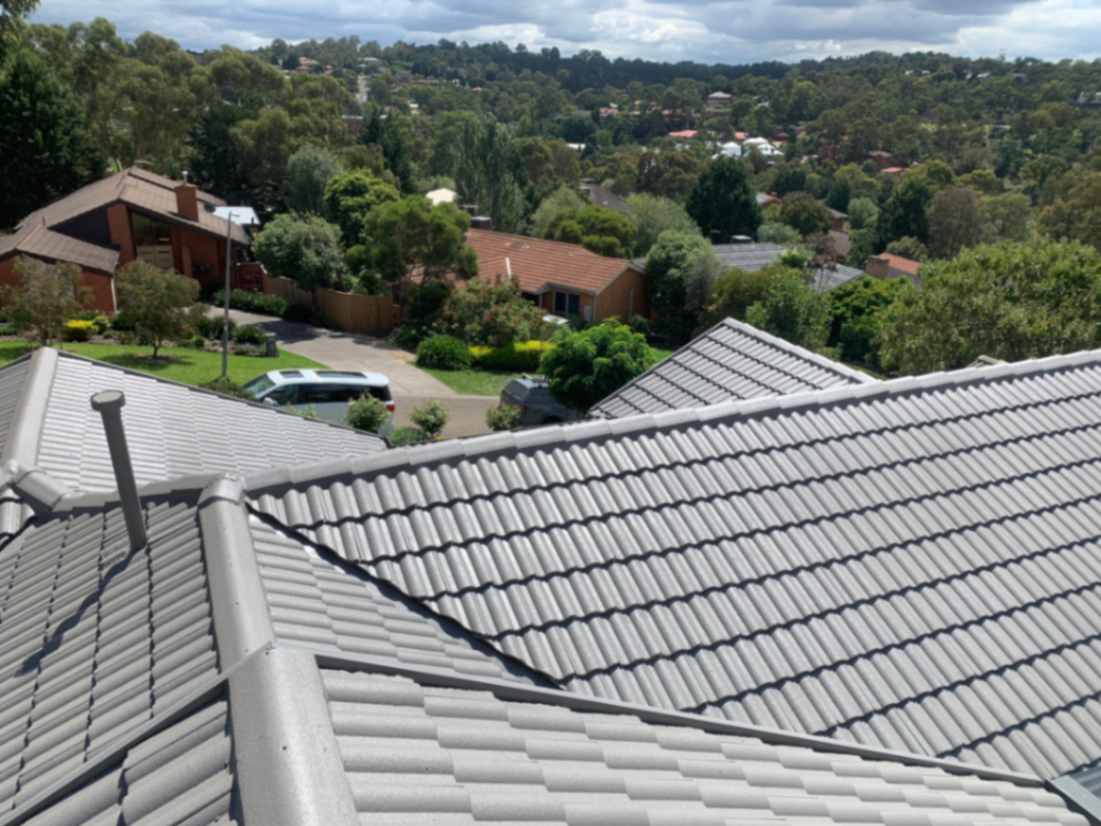
Roofing ridges are the horizontal lines where two sloping roof planes meet, intersections that are sealed with ridge tiles or shingles and secured by mortar or a dry ridge system. All in all, they keep your roof watertight. Here are some things you need to know:
Rebedding is a process of removing aged cement mortar beneath ridge tiles and repositioning/securing adjoining ridge caps. This helps them to stick to the roof tiling.
Repointing involves renewing the mortar or sealant between the ridge capping for a watertight seal.
Mortar is a combination of sand, water, and cement to hold ridge caps in place.
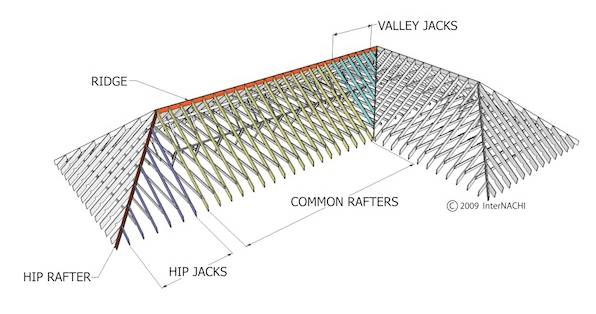
If you notice gaps or cracks in the mortar, your ridge capping needs your full attention. What can break it?
Without making a move to solve cracks, you run the risk of water seeping into your roof structure due to holes in the surface of your roof, mould growth, roof sagging (or collapse) and pricey repairs in the long run!
Inspect Ceilings and Walls: Think there’s a leak? Look for water stains, discolouration, or peeling paint. Dark spots on your ceiling, bubbling, bulging, and small puddles on the floor can mean an internal leak. Water entering your home from cracks in the roof can be absorbed into wooden beams, wall surfaces, plaster, insulation, and wallpaper.
Roof Examination: From the exterior, look for damaged or missing ridge tiles and deteriorated mortar joints.
Leaks into your home (persistent moisture) cause mould growth, health risks to occupants, ineffective insulation, and weakening of the structure of your property. Some of these leaks can be right next to your electrical wires, so don’t be afraid to reach out to a professional for some answers.
This is also a good reason to invest in non-corrosive roofing such as Colorbond steel or Zincalume. To learn more, read our article, Colorbond steel roofing: what you need to know!
A straight and level ridge line is what you’d be hoping for, but why are your ridges sagging or misaligned?
Structural Shifts: A settling building or foundation problem can cause the roof structure to shift.
Roofing Material Deterioration: Decay of supporting materials can cause sections of the roof to sag.
Excessive Load: Heavy materials like debris can place stress on the roof, making it deform.
Without repairs, your roof is more in danger of heavy rain, hail and strong winds, has a higher chance of collapsing, and it will cut back its market value if your plan is to sell up.
The last thing you want to see on your roof is a missing piece! Loose or missing tiles mean:
Mortar is Exposed: Without the protective cover of tiles, mortar is exposed to rain, hail or sunshine, so it will deteriorate faster.
Water Getting Through: Water enters these gaps, causing leaks and potential structural damage.
Wear and Tear: Other tiles and mortar joints can loosen and be damaged from the stress of loose tiling.
How can the weather worsen your roof ridges if they’re damaged by unpredictable weather?
Cracked tiling, rusty or corrosive metal roofs create weak spots for water, and water degrades your materials, especially older roofs.
Protect your roof from environmental damage with regular inspections, repair small roof ridge concerns straight away, and use weather-resistant materials from a reputable roofing supplier.
Whether your roof is metal or tiled determines how long it will last, most likely up to 50 years. For example, aluminium roofs can have a shorter lifespan, whereas Zincalume or Colorbond (by BlueScope Steel) have protective layers that offer a durable, long-lasting finish.
If you live in an older building and notice roof deterioration, you might want to consider a full roof restoration. Check out a beginner's guide to understanding different roofing materials if you would like to upgrade your roof.
While some homeowners may consider DIY repairs, it is better to have a professional intervention because of the following:
How long does roof repointing take? It really depends on the size of the job, but usually within a day and a half. Speak to the Xclusive Roofing team for a quote!
If you need roofing support in Seaford, Chelsea, Dandenong, Croydon, Ringwood, Lysterfield, Bayswater, or anywhere else for roof repairs in Melbourne, you can trust us to deliver outstanding results.
Professional, experienced and marked by exceptional outcomes, Xclusive Roofing makes sure your roof ridges and cappings are repaired with precision and care.
As a family-owned business with experience in helping with after-hours emergencies, you don’t need to stress about cracked tiles, leaks, aging, or any kind of damage. From roof tiling to metal Colorbond steel roofing, we help with roof repairs, roof leak detection, extensions & roof replacements.
Contact us today for obligation-free quotes by calling 03 5978 6473, emailing quotes@xclusiveroofing.com.au or visiting us in Clyde North.
Discover top-quality expertise. Satisfaction guaranteed!
 03 5978 6473
 Open
Hours: Monday - Friday 8:00am - 4:00pm
Open
Hours: Monday - Friday 8:00am - 4:00pm Emergency Repairs
 Email:
quotes@xclusiveroofing.com.au
Email:
quotes@xclusiveroofing.com.au

 Previous
 xclusiveroofing