If your home has a tiled roof, eventually you’ll run into some common issues all Melbourne homeowners face: cracked tiles, deteriorating pointing, or a roofline that sags a little bit. Tiled roofs are built to last for decades but constant exposure to our city’s famously changeable weather can take its toll over time.
Some issues are purely cosmetic, such as moss or a faded tile. Other problems can point to more serious concerns that, if left unchecked, could lead to costly repairs. Knowing the differences is the key to protecting your home and controlling your budget.
That's where Xclusive Roofing comes in. In this article, we’ll walk you through the most common structural and surface issues your tiled roof would suffer. We’ll explain what causes them and when it’s time to call in a professional for a full inspection or a roof repair.
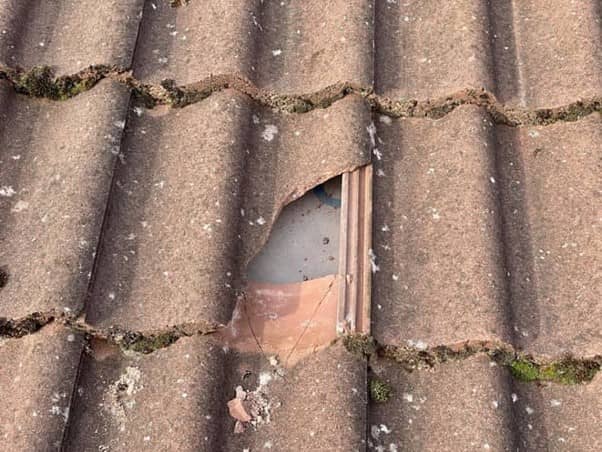
There are four broad reasons why roofing tiles get damaged:
The safest way to know where your roof stands is a professional inspection. At Xclusive Roofing, our team has been helping Melbourne homeowners get on top of roof tiling, repairs, and restorations since 2011. So, if you need assistance, please don’t hesitate to reach out.
Cracked tiles look ugly, and are an obvious sign your roof needs some repair work.
Falling tree branches are a common cause of cracked tiles. If you have overhanging trees, you may want to look at trimming the branches to avoid this.
Weather extremes are another cause of cracked tiles. Tiles that expand in the heat and contract in the cold wear down over time and can lead to fracturing. When small cracks appear and moisture gets in, the freeze-thaw effect gets even worse, accelerating the damage to your tiles.

Someone walking on your roof is also a common issue, believe it or not. If they step onto unsupported spans between timber trusses, body weight can crack tiles.
Tiles can also slip from where they’re placed. This opens the roof cavity to rain and debris, causing tremendous amounts of damage to your home.
Nail fatigue is an issue. Tiles are typically held in place with roof nails. They can rust over time and become weak. Then they break, and your tiles become loose.
Another big cause of tiles slipping is the deterioration and crumbling of the mortar. Weathering, the freeze-thaw effect mentioned earlier, all combines to break the mortar down and free up your tiles.
Violent storms can also wreck the tiles on your roof. Tiles that may be on their way to being loose can be dislodged by strong winds and blown away.
Ridge capping and roof pointing failures mainly occur when the underlying mortar degrades. This leads to moisture ingress, which leads to rotted timber beneath and loose tiles above.
Common causes of failures include:
If you notice damage with your ridge caps, you may need the team from Xclusive Roofing to do some repointing of your roof.
Sagging rooflines on your house are a possible indication of some more serious structural issues with your home.
Three common signs to look for as an indication of a sagging roof are:
Water damage to the timber framework beneath your roof can lead to bowing. Water damage leads to rot, which compromises a wooden frame’s load-bearing capacity.
Termite damage can compromise the structural integrity of a roof. Getting into the timber that supports your roof and weakening them, this can lead to the dipping and bowing of your roof.
Possibly the biggest cause of a wavy roofline is your foundations settling into the soil. This changes the dynamic of the supporting walls, which leads to the roofline being uneven. This is something you need to investigate right away.
Sometimes the surface of your tiles can be attacked, which can lead to cracked tiles or unsightly damage. The leafy green suburbs in the east, such as Lysterfield and Donvale, are prime candidates for moss and lichen.

There are three main causes for tile surface damage.
When moss and lichen dry out on your roof, they actually become a fire hazard. If you’re in an area that may be prone to bushfires, be wary of this. You may have cleaned your gutters, but those embers may land and set the dried moss alight.
Xclusive Roofing can clean the moss and lichen from your roof before the summer fire season comes around.
If your tiled roof is generally in good condition, targeted roof repairs save time and money.
If the damage is more than just cosmetic, or more than a few tiles, you could be looking at a roof restoration to bring your roof back to life.
If your roof is too damaged, too far gone, patch repairs or a restoration won’t save it, and will only delay the inevitable. You will then need a whole roof replacement.
Tiled roofs are tough, but they're not indestructible. It could be a handful of broken tiles after a storm has raged through Croydon and Lilydale, or ridge capping mortar that has given up the ghost after twenty years of Melbourne weather; catching these issues early can be what separates a quick repair and money saved, to a full replacement and a significant investment.
We’re Melbourne based specialists that know roof tiling like the back of our hand. Whether you need a quick roof repair or a full assessment, our team is always ready to help. We’ve helped hundreds of families from Ringwood to Doncaster and all over the eastern suburbs.
We know exactly what to look for, from surface weathering right through to the structural red flags that need urgent attention. If you're noticing warning signs, or it's simply been a while since your roof was last checked, get in touch for a free quote and we'll help you figure out what your roof actually needs.
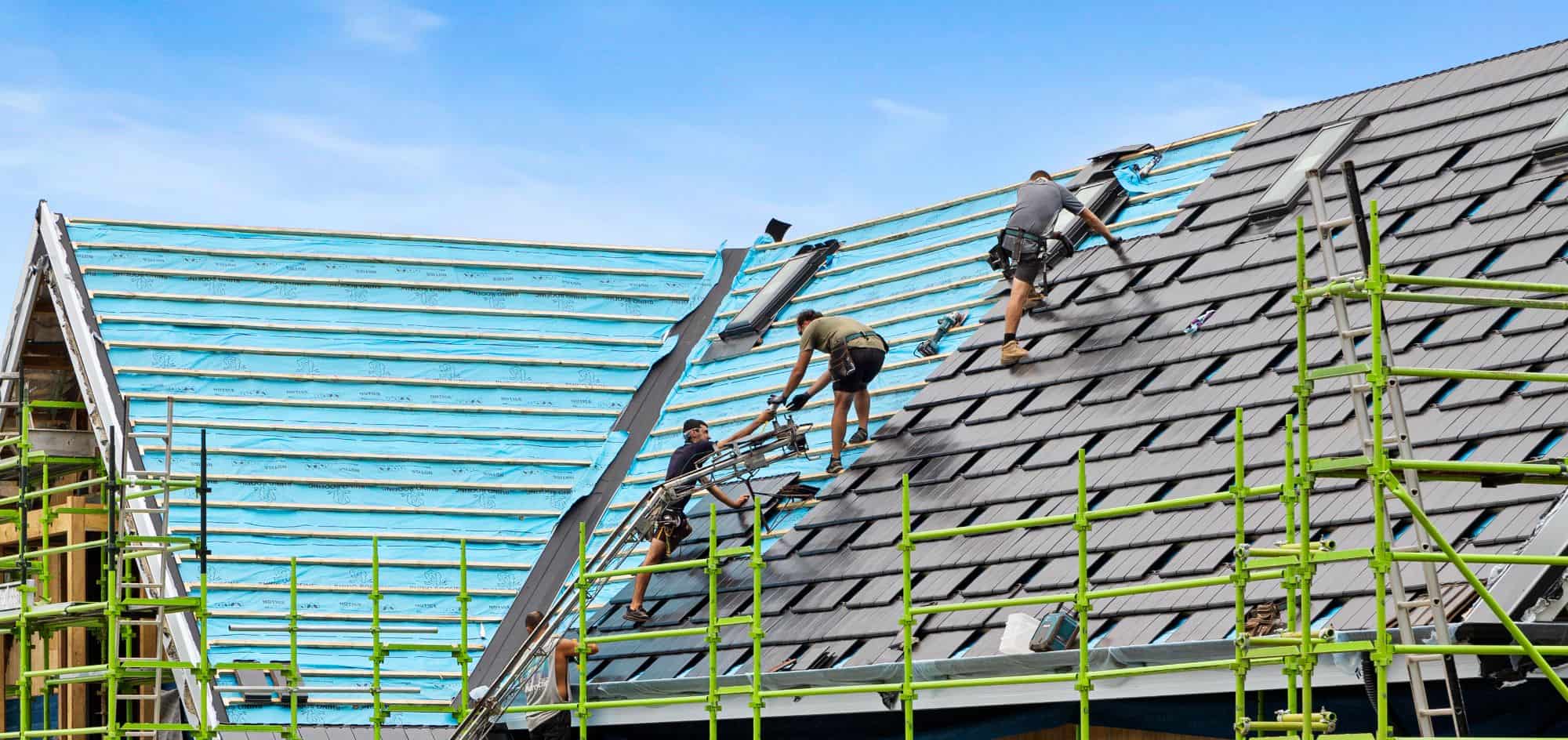
Discover top-quality expertise. Satisfaction guaranteed!
 03 5978 6473
 Open
Hours: Monday - Friday 7:00am - 4:30pm
Open
Hours: Monday - Friday 7:00am - 4:30pm Emergency Repairs
 Email:
quotes@xclusiveroofing.com.au
Email:
quotes@xclusiveroofing.com.au

 Previous
 xclusiveroofing